
Although both container and virtualization applications allow users to divvy up software and hardware more efficiently, containers have many advantages over virtualized machines. There are a number of misunderstandings though, and it’s time to set the record straight.
Containers: Setting the record straight

The benefits of hyperconvergence

Diverting funds away from primary business functions to deploy and maintain IT infrastructure used to be hard for SMBs. However, with hyperconvergence making IT more affordable, it's now unavoidable. Here's what you need to know.
What is a hyperconverged infrastructure?
In a traditional IT environment, hardware for networks, servers, and storage had to be purchased separately and set up to work together as one cohesive system.
5 virtualization options for every SMB
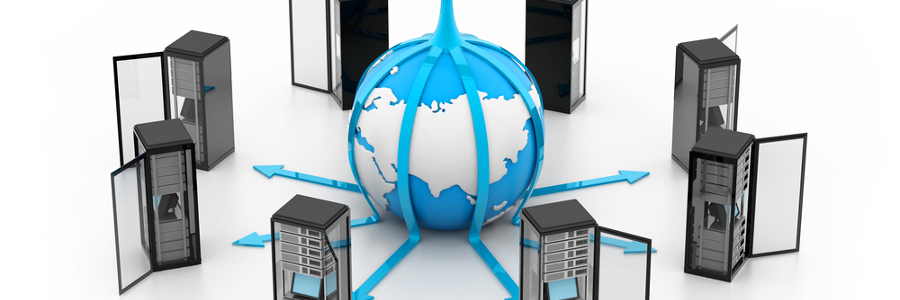
Understanding office virtualization is difficult enough; picking from the long list of software providers that help you achieve it can feel impossible. Since virtualization is a relatively new practice for small- and medium-sized businesses, there is no standardized way of virtualizing your company.
3 Tips for Virtualization as a DR solution

One effective Disaster Recovery (DR) solution for small businesses that most people are unaware of is Virtualization. The former is a strategy used to recover your business after a disaster has struck, while the latter is a way for businesses to save money by running all their office PCs on a “virtual” server.
Controlling security risks of virtualization

Virtualization security often ends up on the back burner, and you probably didn’t even realize how important it is. However, like the rest of your technology, a virtualized infrastructure must be secured. To help keep yours protected, here are some of the security risks involved with virtualization and ways to control them.
Here are 5 types of virtualization

Companies of all sizes are embracing virtualization as a way to cut IT expenses, enhance security, and increase operational efficiency. But while people are already aware of its benefits, many are still in the dark when it comes to the different types of virtualization.
Quick review: why you need virtualization

With virtualization, you can make software see several distinct computers even if there is only one, or make several computers register as one supercomputer. That may sound simple, but it’s far from it. Of course the benefits are well worth it; here are just a few.
Situations perfect for virtual desktops

Managing an office full of computers and mobile devices is a nightmare especially in regulated industries. But with a virtualized desktop infrastructure (VDI), employees can access all the features of a personal computer from almost any mobile device.
Virtualization: Common misconceptions

Small businesses can accomplish a lot by implementing virtualization technology on their office IT network. Unfortunately, many SMBs shy away from it because of some common misconceptions. If you fall into that category, there are at least four myths you should stop believing.
Virtualization is not the same as the cloud

Virtualization and cloud computing are two technologies that have long been confusing business owners. But that shouldn't be the case. Understanding the differences between the cloud and virtualization is the fastest way to use these technologies to your greatest advantage.