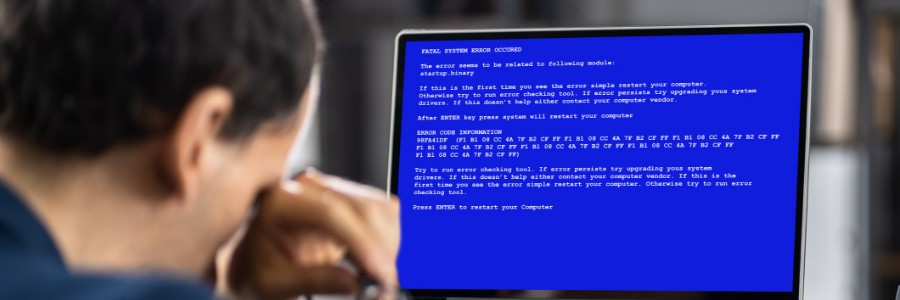
Outdated IT tools have a way of degrading gradually rather than failing dramatically. Systems that worked well a few years ago may start slowing down workflows, creating security gaps that require frequent patching, and increasing maintenance costs.
An uninterruptible power supply (UPS) is the kind of equipment that gets purchased, installed, and then forgotten about until something goes wrong. The problem with that approach is that UPS batteries degrade, their runtimes shrink, and the workloads connected to them grow over time, often without anyone updating the protection strategy to match.
Virtual reality (VR) is best known as an entertainment technology, associated with gaming headsets and immersive experiences. Behind the scenes, however, its growth in the business world is proving far more consequential. From remote inspections and safety training to collaborative design and client-facing marketing, VR resolves complex operational challenges that traditional digital tools cannot effectively address.
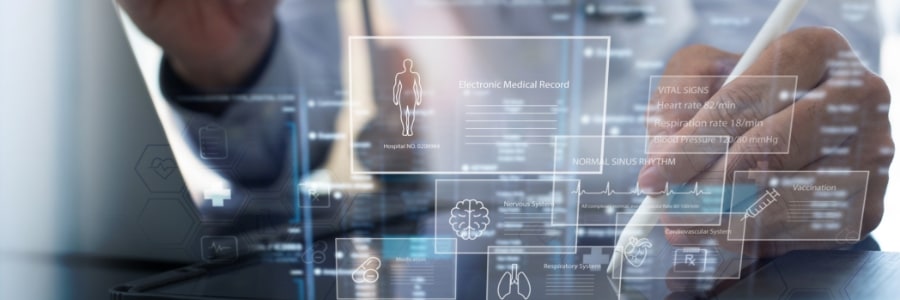
The shift from paper charts to electronic health records (EHRs) has reshaped how healthcare practices manage patient information, coordinate care, and meet regulatory requirements. For practices considering the switch or looking to understand the benefits of EHRs, the evidence is clear: EHRs deliver advantages that paper simply cannot replicate, even accounting for the complexity of implementation.