

When talking about cyberattacks, the first one that usually comes to mind is phishing, a scam that uses email to spread malware or steal personal information. But hackers have a new method to infiltrate your systems, and it’s surprisingly effective.
What are watering hole attacks?

Non-financial blockchain solutions

Despite internet connections that deliver information to the other side of the globe in milliseconds, countless industries still rely on slow and inefficient middlemen to complete transactions. From supply chain management to hi-tech contracts, blockchain isn’t just about money, it’s about an entirely new way to do business.
Protect your Facebook data with these 3 steps

Facebook users woke up to a nightmare when they heard that the social media giant and associated app developers were selling their sensitive data to companies, like Cambridge Analytica, without their consent. So if you're concerned about being one of the 50 million users whose data have already been sold, you should check out the following 3 tips.
Gearing up for phishing scams in tax season

Paying and filing taxes is already annoying without the threat of refund fraud or identity theft. But phishing schemes, especially during tax season, have become so widespread that you’ve probably already received spoofed emails or calls during the last few years.
What private browsing can and can’t do

As you surf the web, it’s nearly impossible to keep your internet activity completely private. Certain websites collect personal information for marketing purposes and your browser keeps track of all the websites you visit. But that browsing information can also fall into the wrong hands, which is why you should consider using private browsing if you want to keep your online activities to yourself.
Quick recoveries with external IT support

Small-business owners with limited financial resources have to manage their office IT on their own. Although this might work for a while, it can grow into a massive problem when the business starts expanding. At that point, you’ll want to focus on that expansion, not repairing tech problems.
Hypervisors: potential risks and threats

The virtualization trend is still going strong, offering businesses streamlined resource management and massive cost-saving potential, but just like every technology, it has its fair share of security risks. In fact, a virtualization solution is only as secure as the hypervisors that support it.
Equifax finds more users hit by major breach

Everyone thought the worst was over when credit-reporting agency Equifax revealed that the credentials of 145.5 million people in the US were leaked. However, the company recently discovered that there are more victims from the major breach. Here’s everything you need to know.
Safe web browsing requires HTTPS
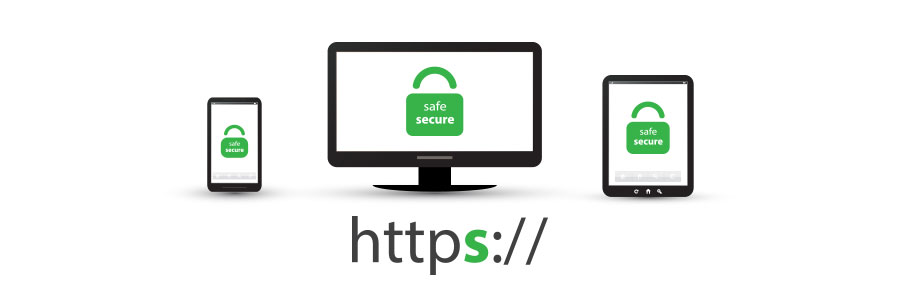
How many times this month have you paid for something online using your credit card? Was each payment page secured by HTTPS? If you’re not 100% certain, you’re a prime target for identity theft. The padlock icon in your web browser’s address bar is immensely important and it requires your attention.
Chrome users panic as new scam spreads

During the previous quarter, fake Chrome notifications urging users to dial a tech support number have grown dramatically. Research reveals that this tech support scam could possibly use an Application Programming Interface (API) to freeze the browser, convincing the user to get in touch with the support line and share their credit card details.