
For retailers, the holidays mean bustling stores and record-breaking sales. Unfortunately, it also means increased cyberthreats. Hackers and scammers ramp up their activity during the busiest time of the year, preying on distracted staff and eager shoppers.
Don’t let cyberthreats ruin your holidays: A guide for retailers
Ransomware is the leading threat to US critical infrastructure
The FBI’s 2024 Internet Crime Report reveals that ransomware attacks targeting healthcare, financial services, communications and other critical infrastructure in the US are on the rise. Experts warn that phishing and social engineering remain key drivers behind these attacks, highlighting an urgent need for stronger cybersecurity measures.
What you need to know about the ransomware landscape
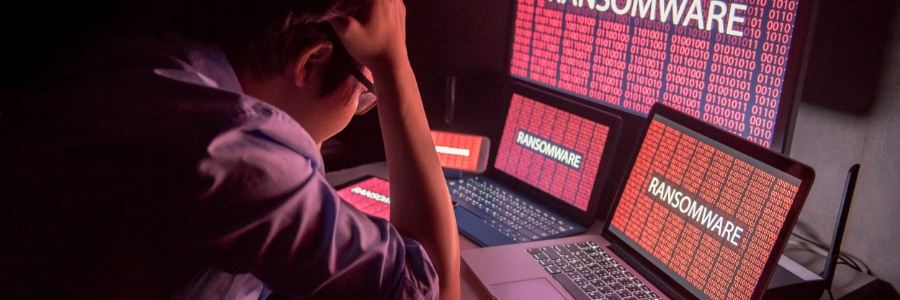
Ransomware continues to be one of the most disruptive threats that businesses face. What was once simply a method to encrypt files and demand a ransom has now evolved into far more sophisticated and damaging operations, exacerbating risks for organizations of all sizes.
Safeguard your SMB from password manager attacks
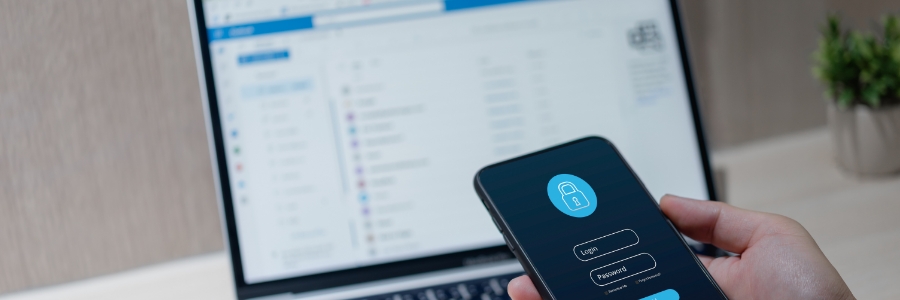
Staying secure online is becoming trickier by the day, especially for small or medium-sized businesses (SMBs). While tools like password managers are designed to protect sensitive information, cybercriminals are now targeting them. A recent study reveals a startling threefold increase in malware targeting password vaults and credential stores over the past year.
Sleighing cyberthreats: A retailer’s guide to holiday security

The holiday season brings plenty of joy and increased sales, but with all this activity comes a heightened risk of cyberattacks. With more transactions happening than usual, cybercriminals see the holidays as the perfect time to launch attacks. From phishing emails to ransomware and bots, the threats are real and can be costly for your business.
5 Cyber risks for retailers this holiday season
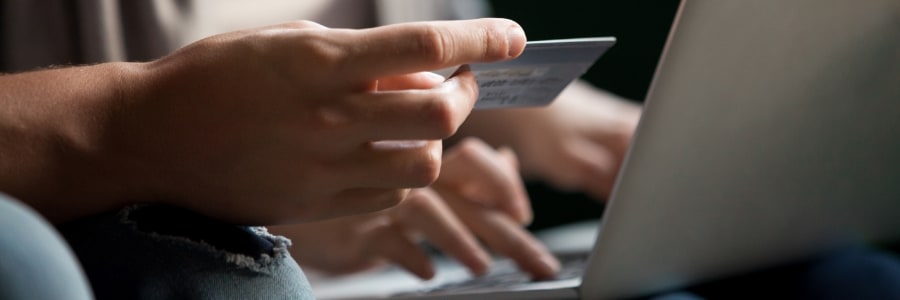
For retailers, the holidays are the busiest time of the year, and it's easy to overlook cybersecurity amid all the chaos. However, proactive measures can help prevent potential cyberthreats from disrupting business operations and customer trust. Here are common cyberthreats during the holidays and some ways retailers can defend against these.
Properly securing customers’ PHI
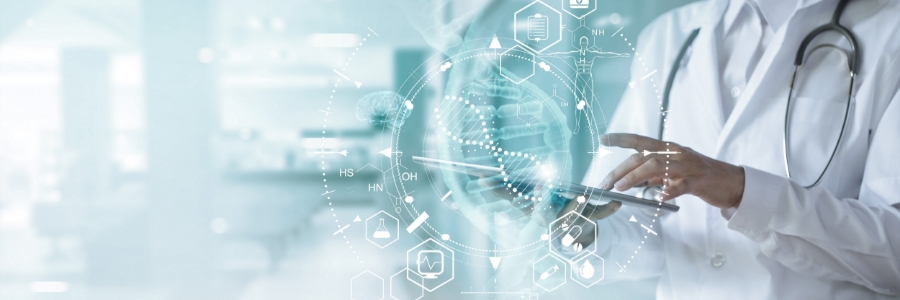
Cybercriminals continue to find ways to penetrate organizations and steal sensitive data. It is therefore critical that businesses take steps to secure their systems in order to protect customers’ protected health information (PHI). Read on to learn more about how you can keep PHI safe from cybercriminals.
A guide to IT security terms everyone should know
You've probably heard the term "malware" thrown around a lot, but what does it actually mean? In this article, we will define malware and a few other commonly used terms in IT so you can better protect your business. Understanding these basic cybersecurity concepts doesn’t require deep IT expertise, so read on.
Windows 11: First things to set up and customize

Microsoft’s Windows 11 operating system offers a number of improvements over Windows 10, including a new Start menu and a more functional Taskbar. If you have just purchased a laptop running on Windows 11, or are planning to upgrade your current device, then you will need to know how to set it up.
Basic cybersecurity terms everyone should know

If the only cybersecurity terms you know are “virus” and “hacking,” now is the time to expand your cybersecurity vocabulary. This will enable you to better understand the variety of risks in the online world and protect your computers, data, and yourself.