

What’s the worst thing that could happen to your Internet of Things (IoT) devices? If you guessed ‘getting infected with malware,’ you’re right. Many users think IoT gadgets don’t need the same protections required for PCs, laptops, and smartphones -- but they do.
Hide & Seek malware: What you need to know

Nation-state hackers inflict destructive malware

A destructive, new malware has surfaced in at least 500,000 home and business routers across 54 countries. Security researchers warned that the infected devices could “self-destruct” as the said malware named VPNFilter can maintain presence even after a successful reboot.
Chrome users panic as new scam spreads

During the previous quarter, fake Chrome notifications urging users to dial a tech support number have grown dramatically. Research reveals that this tech support scam could possibly use an Application Programming Interface (API) to freeze the browser, convincing the user to get in touch with the support line and share their credit card details.
Hackers hijack PCs to steal cryptocurrency

There’s a new cyberattack in town, and it’s out to get your Bitcoins. Cryptojacking has grown in popularity over the past few months mainly because of the increasing value of cryptocurrency. So if you notice your computer slowing down, hackers may already be using your hardware to make easy money.
Locky-type ransomware is attacking systems
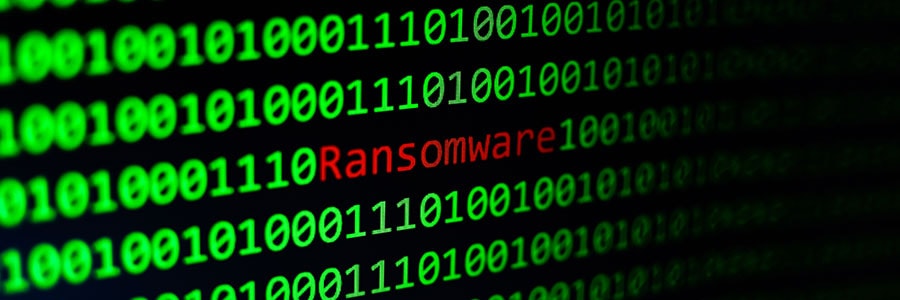
A new, Locky-type ransomware is currently infecting tens of thousands of computers worldwide. It uses the same code from the 2016 version to encrypt users’ files and it looks poised to cause another massive cyber emergency. Here’s everything we know so far.
Steer clear from these types of malware

Did you know that viruses, ransomware, spyware, and trojans are all categorized as types of malware? Having been around for decades, these cyber threats have grown both in number and intensity. Needless to say, it pays to know how each of them works as well as how to protect your business.
Beware: Nyetya is worse than WannaCry
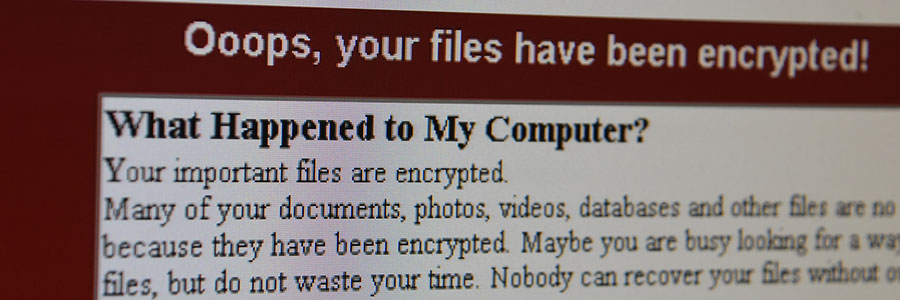
The cyber community hasn’t fully recovered from the WannaCry ransomware attacks, which struck businesses and organizations in May. Now, a Petya ransomware variant named Nyetya is poised to join its ranks as one of the worst cyber attacks in history.
Lessons learned from the WannaCry malware

WannaCry is one of the few malware campaigns to become a household name. It’s educated countless people on the reality of ransomware and the vulnerability of their data. If you’re still worried about whether you’re at risk, we’ve collected everything you need to know right here.
A brief history of virtual quarantines

Malware is becoming more sophisticated every day, and we recommend several solutions for dealing with it. One of the most interesting of these is achievable via cutting-edge virtualization technology. Often referred to as sandboxing, this solution is a great way to quarantine and test suspicious applications before exposing them to your entire network.
Sly phishing attack catching users off guard

You pay close enough attention to the links you click to avoid clicking on something like goolge.com or evrenote.com...right? Because if you’re not, you could end up exposing your computer or smartphone to a host of malware. The newest phishing attack strategy is the worst of all, and can catch even the most astute users off guard.