
Malware, phishing, and DDoS attacks are just the tip of the iceberg when it comes to digital threats facing modern businesses. This guide breaks down these risks and explains how to protect your business from them. Whether it’s using strong passwords, monitoring your network for suspicious activity, or educating your employees, taking these steps will help fortify your business against cybercriminals.
From malware to phishing: Protecting your business from today’s cyber menaces

Safeguard your SMB from password manager attacks
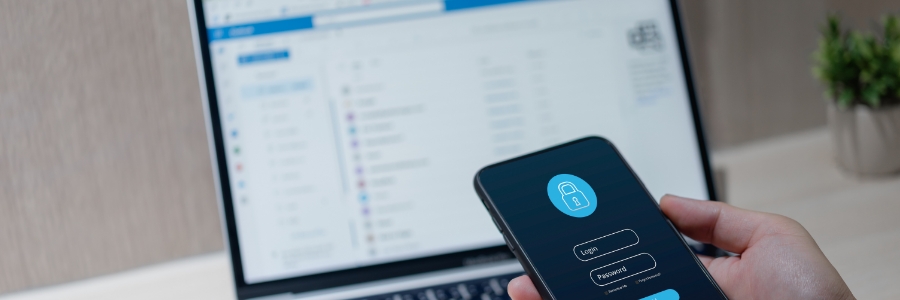
Staying secure online is becoming trickier by the day, especially for small or medium-sized businesses (SMBs). While tools like password managers are designed to protect sensitive information, cybercriminals are now targeting them. A recent study reveals a startling threefold increase in malware targeting password vaults and credential stores over the past year.
Sleighing cyberthreats: A retailer’s guide to holiday security

The holiday season brings plenty of joy and increased sales, but with all this activity comes a heightened risk of cyberattacks. With more transactions happening than usual, cybercriminals see the holidays as the perfect time to launch attacks. From phishing emails to ransomware and bots, the threats are real and can be costly for your business.
Stay ahead of common cyberthreats

Cybercriminals are constantly coming up with new ways to infiltrate IT systems. You've invested countless hours and resources building your business; don't let a cyberattack undo all your hard work. A great way to start fortifying your company’s defenses is to learn all about common cyberthreats and how to keep them at bay.
Cybersecurity jargon made simple
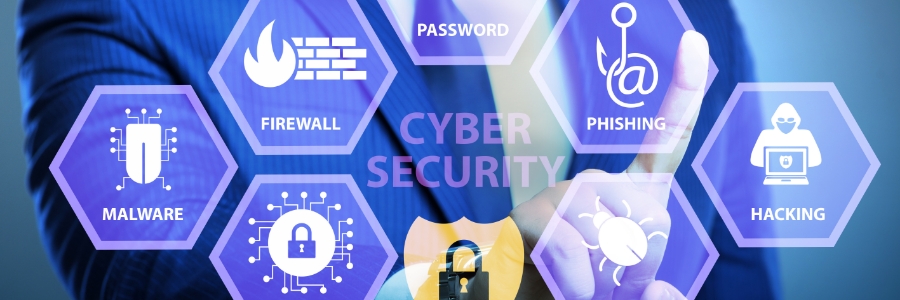
Cybersecurity is a crucial component of managing a successful company and understanding different cybersecurity terms is essential to protecting your company's sensitive information, data, and assets can be deleted. Here’s a guide to key cybersecurity terms every business owner should know.
Defending against the invisible menace: Effective strategies to mitigate fileless malware

The rise of fileless malware has challenged the traditional understanding of cybersecurity and forced organizations to adopt a proactive and adaptive security posture. Unlike traditional malware, fileless malware exploits vulnerabilities in legitimate software and executes malicious code without leaving any traceable footprints.
Properly securing customers’ PHI

Cybercriminals continue to find ways to penetrate organizations and steal sensitive data. It is therefore critical that businesses take steps to secure their systems in order to protect customers’ protected health information (PHI). Read on to learn more about how you can keep PHI safe from cybercriminals.
A guide to IT security terms everyone should know

You've probably heard the term "malware" thrown around a lot, but what does it actually mean? In this article, we will define malware and a few other commonly used terms in IT so you can better protect your business. Understanding these basic cybersecurity concepts doesn’t require deep IT expertise, so read on.
The crucial role of MSPs in SMB cybersecurity

With modern cyberattacks targeting companies of all sizes, businesses cannot afford to relegate cybersecurity to the bottom of their list of priorities. When it comes to cybersecurity, even small- and mid-sized businesses (SMBs) would do well to get help from an expert.
A checklist for avoiding WordPress website issues

Maintaining a WordPress website is not as difficult as it may seem, but there are certain tasks that should be done on a regular basis to ensure optimal performance. In this blog post, we will outline six essential maintenance tasks that all business owners should follow.