
Big companies like Yahoo, Target, and AOL are often at risk of data breaches because of the large volume of data they collect and store. And when a data breach occurs, individual users are the ones hardest hit. Luckily, there are a few things you can do to mitigate damage from disastrous data breaches.
What to do in case of a website breach

SMB routers targeted by VPNFilter malware

Earlier this year, news broke that a malware strain named VPNFilter was infecting hundreds of thousands of devices. If you didn’t act then, now’s the time. Security experts have updated their threat assessment and its much worse than they originally thought.
Mitigating healthcare insider threats

The healthcare industry is unique in that the biggest data security threat comes from insider breaches.The main reason for these unauthorized hacks is financial gain. So how can healthcare organizations protect themselves against insider threats? Read on.
Hackers hijack PCs to steal cryptocurrency
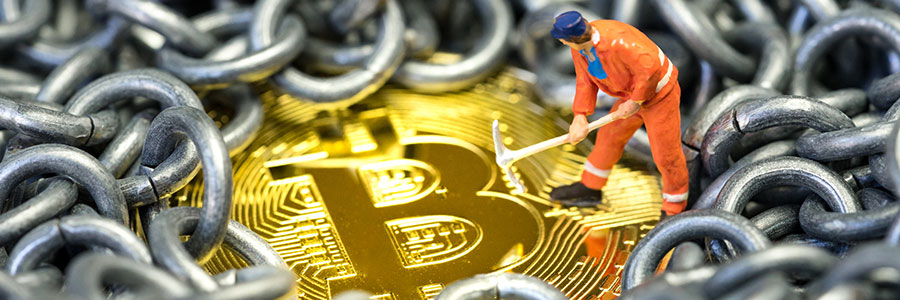
There’s a new cyberattack in town, and it’s out to get your Bitcoins. Cryptojacking has grown in popularity over the past few months mainly because of the increasing value of cryptocurrency. So if you notice your computer slowing down, hackers may already be using your hardware to make easy money.
Virtual DR for ransomware protection
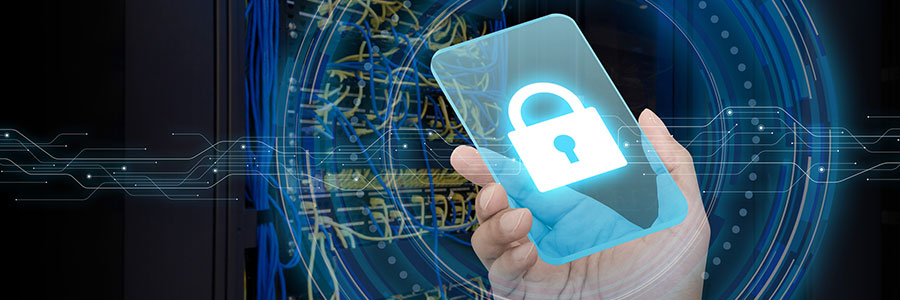
The massive success of ransomware like WannaCry and Petya have spurred other cybercriminals to develop their own ransomware and sell it on the black market. This means we can expect more ransomware attacks in the future. To prepare your business, you need virtualized disaster recovery solutions.
3 simple and easy cyber-security tips!

Data security and privacy should be a top priority in this age of constant and downright dangerous cyber attacks. However, in your quest for ultimate security, don’t forget to implement these non-technical steps to shield your business’s IT resources.
Beware of what you save in web browsers
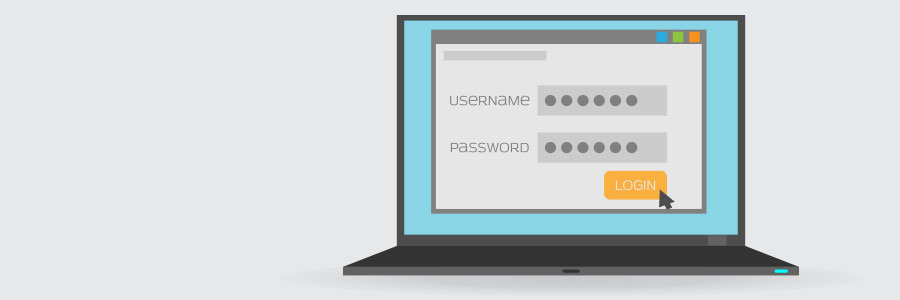
Passwords are a double-edged sword. If you make them too simple, they’ll be easy to guess; if you make them too complex, they’ll be impossible to remember. One solution is to create an uncrackable password and save it to your browser. Unfortunately, recent research suggests that tactic could drastically reduce your privacy.
2017’s most valuable IT solutions

It’s the perfect time of year to evaluate last year’s technology investments and make adjustments for the year to come. Whether 2017 left you with extra cash in your pocket or desperate for a better way to get work done, here’s a roundup of the best IT news from the past year.
VPNs: Why you need them
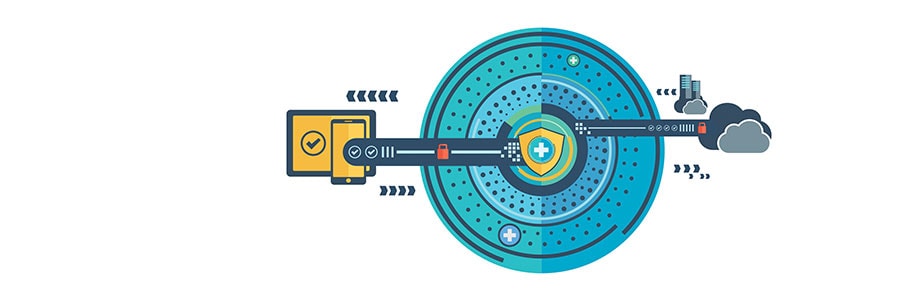
Installing powerful antivirus software and setting strong passwords are no longer considered the bare minimum in cybersecurity. With hackers, government agencies, and ISPs constantly monitoring networks and your online habits, hopping onto a Virtual Private Network (VPN) is crucial for keeping your surfing habits private.
Equifax sheds light on incident response

What would you do right now if you discover that your business’s database is hacked and a huge number of your customers’ data gets leaked? Speechless, with dismay, but you need to act, decently. In this case, it helps to have a good incident response plan in place, so your business won’t suffer the same fate as Equifax, which is an interesting story we’re about to tell.